MODULE 4: SCRIPTURE
OUTCOME: The disciple understands the big story of the Bible and establishes a sustainable rhythm of reading and studying Scripture.
In our fast-paced world that often operates on soundbites and quick-fixes, the idea of truly investing in the study of the Bible seems daunting. After all, this is a large, ancient, and often difficult book! However, as disciples who want to follow Jesus, there is simply no substitution for immersing ourselves in scripture. When we take up the Bible, we hold in our hands a priceless gift—a window into the very heart of God.
In this module, the disciple will get a 30,000 foot view of the general story arc of the Bible. Then, an opportunity to establish a Bible reading plan with different study methods and tools will close out the module. Just remember, even if you’ve never read the Bible before, that’s okay! Even the most brilliant scholars will never completely master this book. We’re embarking on a lifelong journey to understanding who God is, what he’s done, and who we are in light of it. Learn to enjoy the ride!
The Bible Is One Big Story
It is easy to treat the Bible like a book of quotes: a verse for a hard day, a proverb for a decision. But Scripture is first of all a story — the true story of God and his world. Module 4 gives the disciple a "30,000-foot view" of that story through four movements that the Roots videos walk through:
Creation — God makes a good world and creates human beings in his image, as royalty invited into relationship with him (Genesis 1–2).
Fall — sin breaks that relationship; it enslaves us, spreads chaos and leaves us alone (Genesis 3).
Redemption — through the life, death and resurrection of Jesus, God sets us free, renews all things and adopts us as his children.
Restoration — one day God will make all things new (Revelation 21:5), and today we live out our part in the story by the power of the Holy Spirit.
When a disciple sees the whole arc, individual passages start to make sense. The Bible becomes a script we step into, not just a text we analyse.
Three Ways to Read and Study the Bible
Daily Scripture reading
The first assignment is a simple reading exercise: a passage a day, read slowly, with a few questions to reflect on. The goal is consistency, not speed.
Inductive Bible study
Inductive study helps you understand a passage for yourself through three steps: observation (what does it say?), interpretation (what does it mean?) and application (how should I respond?). In Module 4 the disciple practises this method in 1 John 1.
Lectio Divina
Lectio Divina, Latin for "divine reading," is an ancient way of praying Scripture. You read a short passage several times, notice a word or phrase that stands out, reflect on it, respond to God in prayer and rest in his presence. It turns Bible reading into conversation.
The Four Meetings of Module 4
Meeting 1: The Bible as God’s Story — discuss the Script video and see the Bible as the script of God’s great drama, then begin a week of Scripture reading.
Meeting 2: Creation — share how God spoke through his Word and discuss the Beginning video: created as royalty and invited into relationship.
Meeting 3: Inductive Bible Study — debrief your inductive study of 1 John 1 and discuss the Fall and how sin affects every part of life.
Meeting 4: Lectio Divina and the Good News — reflect on Lectio Divina and discuss Redemption, the gospel that sets us free.
How to Choose a Bible Reading Plan
By the end of this module the disciple chooses a reading plan they can keep. A few guidelines help:
Match the plan to your season. A one-year Bible plan is wonderful, but a chapter a day through one Gospel may be a better start.
Pick a readable translation. The NIV, NLT, CSB and ESV are all widely used. Reading an unfamiliar passage in two translations can bring fresh insight.
Use tools, but do not rely on them. Study Bibles, Bible apps and the free videos from The Bible Project can help with background and themes.
Read with a pen. Underline, ask questions and write down one thing to obey or pray about.
Share what you read. Bring one verse or question to each discipleship meeting.
Tips for Disciplers
Some disciples have read the Bible for years; others have never opened one. Meet them where they are. Celebrate questions, even difficult ones, and model humility — the most brilliant scholars never completely master this book. If the disciple misses a day or a week, help them start again without guilt. The aim is a lifelong relationship with God through his Word.
Key Scriptures on Scripture
2 Timothy 3:16–17 — all Scripture is God-breathed and useful for training in righteousness.
Psalm 119:105 — "Your word is a lamp for my feet, a light on my path."
Hebrews 4:12 — the word of God is alive and active.
Luke 24:27 — Jesus explains how all of Scripture points to him.
James 1:22 — do not merely listen to the word; do what it says.
Frequently Asked Questions
I have never read the Bible. Where should I start?
Start with the Gospel of Mark. It is short, fast-moving and centred on Jesus. Read a chapter a day and discuss your questions with your discipler.
How much time should I spend in Scripture each day?
Fifteen focused minutes is a strong beginning. It is better to read a little every day than a lot once in a while.
What comes next?
With a Scripture rhythm in place, the Pathway moves to Module 5: Guidance, where the disciple learns to see God’s story at work in their own life story.
In this module: Meeting 1: The Bible as God’s Story · Meeting 2: Creation · Meeting 3: Inductive Bible Study · Meeting 4: Lectio Divina & the Gospel. All worksheets and videos: Module 4 resources. Previous module: Module 3: Self Denial. Next module: Module 5: Guidance. See all 11 modules.
For Further Study
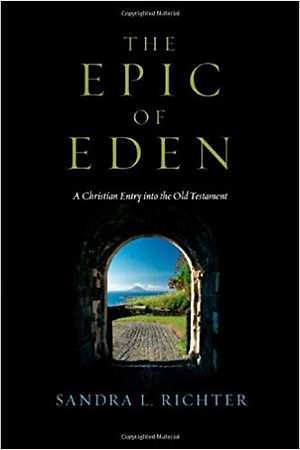
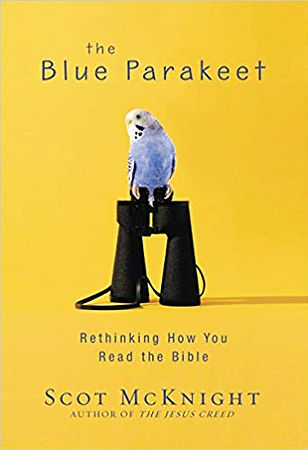
Want to dive deeper into Scripture? Check out the recommended
books and resources at the bottom of the page.
For Further Study
Want to dive deeper into Scripture? Check out these recommended books and resources: